SUZUKI 12911-39F00 Engine Valve Spring Intake Exhaust
fits model: Gsxr600, Gsxr, 600. make: Suzuki. year: 2001–2003.
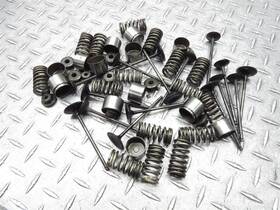
( Manufacturer Part Number: 12911-39F00 ), ( Part Type: Valve Spring Intake Engine Exhaust )
Review SUZUKI Engine Valve Spring Intake Exhaust Lot fits GSXR600 GSXR 600 2001–2003
The **Suzuki 12911-39F00 engine valve spring kit (2001 2003 GSX-R600)** is a precision-engineered aftermarket upgrade designed to restore and enhance the performance of the iconic GSX-R600 s valve train system. This high-quality kit replaces the stock valve springs, retainers, and keepers with durable, heat-treated components that deliver improved reliability, reduced valve float, and better overall engine responsiveness. The kit is specifically tailored for the **2001, 2002, and 2003 model years**, ensuring a perfect fit for the GSX-R600 s **DOHC (Dual Overhead Camshaft) 600cc inline-four engine**, which is renowned for its aggressive racing pedigree and high-revving nature. The valve springs in this kit are crafted from high-grade alloy steel, offering superior strength and endurance while maintaining a tighter preload, which minimizes valve bounce and enhances valve closure speed critical factors for maximizing power output and longevity. The retainers and keepers are precision-machined to exacting tolerances, ensuring a secure fit and reducing the risk of valve train failure under extreme stress, whether during spirited street riding or track use. This upgrade is particularly beneficial for riders who push their GSX-R600 to its limits, as it mitigates the wear and fatigue that can occur in the stock valve springs over time, especially in high-RPM applications. Whether you're aiming to restore factory performance, prepare for track days, or simply extend the lifespan of your engine, this valve spring kit is a straightforward yet impactful modification that aligns with the GSX-R600 s reputation for precision and performance.
### **Pros and Cons of Buying a Suzuki GSX-R600 (2001-2003) Engine (12911-39F00) for a Restoration or Rebuild**
#### **Pros**
1. **Proven Reliability and Performance**
The 12911-39F00 engine, found in the 2001-2003 GSX-R600, is a well-regarded inline-four design known for its balance of power and durability. It produces around **110-120 horsepower** in stock form, making it a strong choice for sportbikes of its era. Many owners and tuners have successfully modified it for increased performance, and aftermarket support (cams, pistons, crankshafts, etc.) is readily available.
2. **Common and Affordable Parts**
Being a popular bike in its time, parts for this engine are widely available, both new and used. Suzuki officially supported the GSX-R600 for several years, ensuring a steady supply of OEM components. Aftermarket upgrades (e.g., clutch kits, exhaust headers, intake systems) are also plentiful and reasonably priced compared to more obscure engines.
3. **Modular Design**
The engine shares many components with other Suzuki models (e.g., GSX-R750, GSX-R1000 in some cases), which can reduce costs if you need parts for related bikes. The cylinder head and crankshaft are also compatible with aftermarket upgrades, allowing for easy tuning.
4. **Good for Beginners and Intermediate Riders**
The GSX-R600 is a fantastic bike for riders looking to transition from smaller bikes (e.g., 600cc supersports) to larger displacement machines without overwhelming power. Its weight ( 430 lbs wet) and handling make it approachable for new riders while still offering sportbike thrills.
5. **Strong Aftermarket Community**
The GSX-R600 has a dedicated following, with forums (e.g., *Cycle World*, *Motorcycle.com*), YouTube tutorials, and DIY guides available. This makes troubleshooting and modifications easier for those willing to put in the work.
6. **Potential for High Performance with Minimal Cost**
With relatively inexpensive upgrades (e.g., cams, porting, exhaust, fuel injection tuning), the engine can be pushed to **150 horsepower** without requiring expensive components. Many owners have successfully built high-revving, track-capable versions of this bike.
7. **Classic Bike Appeal**
The GSX-R600 is a beloved classic in the sportbike community, especially among enthusiasts who appreciate its aggressive styling, lightweight frame, and aggressive riding position. Restoring one can be a rewarding project for bike lovers.
---
#### **Cons**
1. **Age and Wear Concerns**
The 2001-2003 GSX-R600 is now **20-23 years old**, meaning the engine may have significant wear if not properly maintained. Common issues include:- **Worn valve springs** (as mentioned in your part number) These can lead to valve float at high RPMs, reducing power and causing damage if ignored.
- **Rod bearings and main bearings** Older engines may have stretched rod journals or worn bearings, leading to oil consumption or knocking.
- **Piston rings and cylinder wear** Compression leaks can occur over time, reducing efficiency.
- **Clutch and flywheel wear** The stock clutch is known to wear out around **10,000-15,000 miles** if not serviced regularly.
A **full engine rebuild** may be necessary if the bike has high mileage or lacks maintenance records.
2. **Fuel Injection Reliability**
The GSX-R600 uses **Suzuki s early fuel injection system**, which can be finicky. Common issues include:- **Throttle body sticking** (especially in hot climates).
- **Sensor failures** (e.g., MAP sensor, TPS, IAT sensor).
- **Injector clogging** over time, leading to poor fuel delivery.
- **ECU limitations** The stock ECU is not as advanced as modern systems, making tuning more difficult without aftermarket solutions (e.g., Power Commander, Haltech).
Upgrading to a **standalone ECU** (e.g., Haltech, Link) can improve reliability and performance but adds cost.
3. **Transmission and Drivetrain Wear**
- The **6-speed gearbox** can be finicky, with some bikes experiencing **slippage or difficulty shifting** due to worn synchronizers or clutch drag.
- The **chain and sprocket** may need replacement if the bike has been ridden hard or neglected.
- **Differential wear** Some bikes develop leaks or internal wear in the rear end over time.
4. **Electrical System Quirks**
- The **ignition system** (CDI) can fail, leading to misfires or no-start conditions.
- **Starter motor reliability** Some units wear out and require replacement.
- **Wiring harness issues** Older bikes can develop cracked or corroded wiring, leading to intermittent electrical problems.
5. **Frame and Suspension Limitations**
- The **aluminum frame** is strong but not as durable as modern steel or composite frames. Some bikes develop **frame cracks** (especially near the headstock or swingarm mounts) if ridden aggressively.
- **Suspension wear** The **Showa inverted forks** and **rear shock** can lose damping over time, requiring rebuilds or upgrades.
- **Brake system aging** The **discs and pads** may be worn, and the **hydraulics** can develop leaks or sponginess.
6. **Emissions and Legal Restrictions**
- The GSX-R600 was built to **pre-2004 emissions standards**, meaning it may not pass **modern smog checks** in some states (e.g., California). Modifying it for emissions compliance (e.g., adding a **catalytic converter**) can be costly and reduce performance.
- Some states have **restrictions on pre-2007 bikes**, so check local laws before purchasing.
7. **Cost of Restoration**
- While parts are available, a **full restoration** (engine rebuild, suspension refresh, brakes, electrical) can cost **$2,000 $5,000 **, depending on the bike s condition.
- If the bike is **project-heavy**, the cost may not justify the effort unless you re passionate about classic bikes.
---
### **Conclusion**
The **Suzuki GSX-R600 (2001-2003) engine (12911-39F00)** is a **great choice for riders who want a balance of performance, reliability, and mod potential**, provided they are prepared for potential wear issues. It is ideal for:
- **Enthusiasts who enjoy working on bikes** and don t mind putting in effort for a rewarding project.
- **Riders who want a lightweight, nimble sportbike** with a strong aftermarket support network.
- **Those looking for a bike that can be tuned for track use** with relatively inexpensive upgrades.
However, it is **not the best choice for**:- **Casual riders** who want a plug-and-ride experience.
- **Those on a tight budget** who cannot afford restoration costs.
- **Riders in states with strict emissions laws** who may need expensive modifications.
If you **inspect the engine closely** (check for oil leaks, compression, valve spring condition, and overall cleanliness), and the bike has **low mileage or a well-documented service history**, it can be a fantastic purchase. If the engine shows **signs of heavy wear** (knocking, oil consumption, valve float), a **full rebuild may be necessary**, which could offset the savings of buying used.
---
### **Recommendation**
1. **If you re buying for a project:**- **Get a pre-purchase inspection (PPI)** from a trusted mechanic to assess engine condition, suspension, brakes, and electrical systems.
- **Prioritize bikes with:**- **Low mileage (
- **No signs of frame cracks** (check welds and stress points).
- **Stock or lightly modified engine** (avoid bikes with unknown modifications).
- **Budget for a rebuild** if the engine shows wear (valve springs, bearings, rings).
- **Consider upgrading key components** (clutch, exhaust, suspension, brakes) for reliability and performance.
2. **If you re buying for daily riding:**- **Look for a bike that has already been restored** or one where the owner has done **major work** (engine rebuild, suspension refresh).
- **Avoid bikes with:**- **Visible frame damage**.
- **Heavy modifications** (e.g., big-bore kits, aggressive camshafts) unless you re experienced.
- **Neglected maintenance** (no oil changes, no clutch service, etc.).
- **Consider a slightly newer model (2004-2006)** if emissions compliance is a concern, as these may be easier to modify for modern standards.
3. **If you re unsure about restoration costs:**- **Buy a used GSX-R
Details:
OFFICE USE: LTR-DH 06/26 01SUZGSXR600-108874.
part #: 1291139f00 prices
- $32.00-$52.21
specifications valvemotorcycleaz:
- for models: Gsxr600, Gsxr, 600
- for makes: Suzuki
- for years: 2001-2003
- mpn: 12911-39f00
- part type: Valve Spring Intake Engine Exhaust
payments valvemotorcycleaz:
- credit card: Mastercard
- other
- wallet: Paypal
- cash
shipping valvemotorcycleaz:
- service: USPS Priority Mail
- transit: 4-7 Days
- class: Expedited
- type: Fixed
- cost: $0.00
- carrier: USPS
returns valvemotorcycleaz:
- policy: Returns Accepted
- paid by: Buyer
- time: 30 Days
general valvemotorcycleaz:
- condition: Used
- Engines Engine Parts > Valvetrain Components > Engine Valves
offer valvemotorcycleaz:
- quantity: 1
- options: Ship-to-home
- started: June 6, 2026
- availability: In Stock
- sold: 0
seller valvemotorcycleaz:
- rating: 100.0%
- # reviews: 103140
- city: Anaheim, California
Suzuki 12911-39F00 Is Similar To:
- 09202-04020 Suzuki Main Exhaust Power Valve Long Pin Rm (28.6% similar) Open communication. Needs cleaned. We answer all inquiries. Comes as shown...(January 17th, 2019)
- 0926-0090 Vesrah Exhaust Valve For Suzuki Eiger Kingquad Master Runner Vinson (27.2% similar) ...(September 1st, 2018)
- 09261101 Moose Racing Suzuki Rmz Intake Kit Valves (25.2% similar) Brand new never installed intake valve kit for suzuki rm part number: MS-243-2400PART location: E103...(July 16th, 2018)
- 09444-06002 Box 1 2 3 Nos Suzuki Fuel Cap Spring (24.1% similar) The pictures are of real item for sale. Robles or issues. They can show some shelf wear, dusty, but are new and unused. All parts are new old stock. About the item: this is a new nos part. Shipping: we mostly use USPS, but sometimes FedEx and ups for heavier packages...(January 27th, 2019)
- 09444-16003 Suzuki Rm250-rm125 Exhaust Valve (27.9% similar) Suzuki RM250 RM125 exhaust valve shaft spring nos. Absolutely no disappointments. Part number...(November 29th, 2017)
- 1045139 Moose Racing Intake Kit Steel Fits Suzuki (34.3% similar) Moose intake valve spring kit steel fits suzuki RM-Z250 stainless conversion includes only whats needed to convert your head the long-life black diamond valves extend life of train and components by as much 4x over oem titanium parts valves are designed not offer best span oem, but also flow perform...(July 8th, 2018)
- 1045140 Moose Racing Intake Kit Steel Fits Suzuki (32.8% similar) Moose intake valve spring kit steel fits suzuki RM-Z450 stainless conversion includes only whats needed to convert your head the long-life black diamond valves extend life of train and components by as much 4x over oem titanium parts valves are designed not offer best span oem, but also flow perform...(April 16th, 2018)
- 1045141 Moose Racing Intake Kit Steel Fits Suzuki (32.8% similar) Moose intake valve spring kit steel fits suzuki RM-Z250 stainless conversion includes only whats needed to convert your head the long-life black diamond valves extend life of train and components by as much 4x over oem titanium parts valves are designed not offer best span oem, but also flow perform...(March 11th, 2018)
- 1045142 Moose Racing Intake Kit Steel Fits Suzuki (32.8% similar) Moose intake valve spring kit steel fits suzuki RM-Z450 stainless conversion includes only whats needed to convert your head the long-life black diamond valves extend life of train and components by as much 4x over oem titanium parts valves are designed not offer best span oem, but also flow perform...(March 11th, 2018)
- 1045145 Moose Racing Exhaust Kit Fits Suzuki (32.6% similar) Moose exhaust valve spring kit fits suzuki RM-Z250 stainless steel conversion includes only whats needed to convert your head the long-life black diamond intake valves extend life of train and components by as much 4x over oem titanium parts valves are designed not offer best span oem, but also flow...(July 8th, 2018)
- 1045146 Moose Racing Exhaust Kit Fits Suzuki (34.1% similar) Moose exhaust valve spring kit fits suzuki RM-Z250 stainless steel conversion includes only whats needed to convert your head the long-life black diamond intake valves extend life of train and components by as much 4x over oem titanium parts valves are designed not offer best span oem, but also flow...(July 8th, 2018)